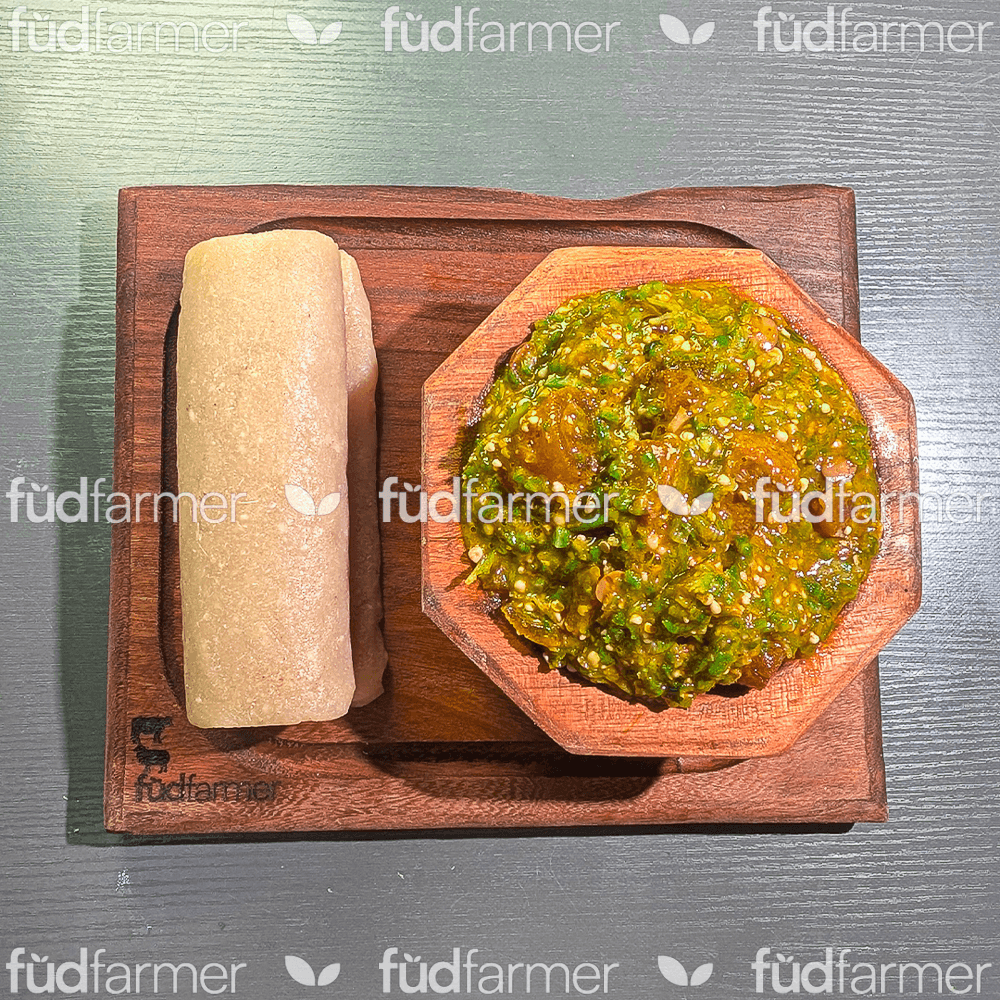
Assorted Okro Soup (Alasepo)

Rich okra soup with a medley of assorted meats, smoked fish, dried fish, and ponmo. The okra is simmered in a savory palm oil base, then steamed with fresh vegetables.

Ingredients:

  • 500g fresh okro, chopped or blended coarsely
  • 500g assorted meat (beef, goat meat, chicken)
  • 200g smoked fish
  • 100g dried fish (stockfish)
  • 150g fresh fish (catfish or tilapia)
  • 100g ponmo (cow skin)
  • 2 tablespoons palm oil
  • 1 large onion, chopped
  • 3-4 scotch bonnet peppers, chopped
  • 2 tablespoons ground crayfish
  • 1 tablespoon locust beans (iru)
  • 2 stock cubes
  • Salt to taste
  • 4-5 cups water or stock
  • 2 cups assorted vegetables (ugwu, spinach, or scent leaves)
  • Optional ingredients:
  • Periwinkles
  • Crab
  • Shrimp

Equipments:

  • Cooker
  • Cooking utensils
  • Pot

Cooking Instructions:

Cooking Method:

Soaking, simmering and steaming

Gallery:

Latest Post:

Foods That Help Lower Blood Sugar Naturally

What you eat has a direct impact on your blood sugar levels. Certain foods slow how quickly food is broken down, support insulin function, and help keep blood sugar steady throughout the day. Here are some of the best options, many of which are already common in our kitchens.

Legumes and High-Fibre Staples

Beans, oats, unripe plantain, and okra are all high in fibre and resistant starch, both of which slow glucose absorption and prevent sudden spikes after meals. They are also filling, which makes it easier to eat appropriate portions without feeling deprived.

Leafy Vegetables

Ugu, spinach, bitter leaf, ewedu, and other green leafy vegetables are low in carbohydrates and high in fibre and antioxidants. They support insulin sensitivity and general metabolic health, and because they digest slowly, they do not cause rapid rises in blood sugar. They can be eaten generously as part of most meals.

Healthy Fats

Groundnuts, avocados, soya oil, and palm oil in moderate amounts all help slow how quickly glucose from a meal enters the bloodstream. Cooking oil is already a daily staple in most homes; choosing better sources like palm oil or soya oil in moderate amounts is more beneficial than reaching for heavily processed alternatives.

Whole Grains

Choosing whole grains over refined carbohydrates makes a real difference. Ofada rice, brown rice, millet, whole wheat and maize retain more fibre and nutrients than polished white rice or ultra-processed flour products, so blood glucose rises more slowly after a meal.

Low-Glycaemic Fruits

Not all fruits raise blood sugar at the same rate. Apples, pears, cucumbers, and garden eggs raise it more slowly than very sweet fruits like ripe bananas and pineapple, and they also provide vitamins and fibre, making them a better option for everyday consumption.

Fermented Foods

Pap, yoghurt, and locust beans (iru) support better glucose metabolism by improving gut health. Research shows a healthy gut microbiome contributes to better insulin response and more stable blood sugar levels overall.

The Bigger Picture

No single food controls blood sugar on its own. What makes the difference is the overall approach. Meals built around fibre-rich ingredients, whole foods, and the right portions create the conditions for steadier glucose levels day to day. Physical activity works alongside this by improving how the body uses insulin, so the two reinforce each other. Blood sugar management is not about perfection or cutting out entire food groups. It is about making consistent choices that your body can work with over time.

5 Benefits of Choosing Local Foods

Local foods are often treated as ordinary, but they play a significant role in supporting both nutrition and health. In Nigeria, staples, fruits, vegetables, and even local snacks are widely available and form a consistent part of daily eating habits. Because these foods are sourced and consumed within the local environment, they offer advantages that go beyond convenience.

Better Nutritional Value

Local foods are usually consumed with minimal processing, which helps preserve their natural nutrient composition. Whole foods provide essential macronutrients and micronutrients needed for normal body function. In contrast, heavily refined options often contain added sugars, excess sodium, and unhealthy fats, which are linked to hypertension and cardiovascular disease. Choosing foods in their more natural form supports better diet quality over time.

Lower Risk of Contamination

Local food systems often involve shorter supply chains, which reduces prolonged storage and repeated handling. This lowers the chances of microbial contamination, adulteration, and quality deterioration. With fewer processing stages and less exposure to preservatives, these foods are generally safer and more reliable for regular consumption.

Freshness and Nutrient Retention

Foods sourced locally are more likely to be consumed while still fresh. This supports nutrient retention, especially for vitamins that are sensitive to storage conditions and heat. Fresh foods also maintain better taste and texture, which can encourage more consistent and balanced eating habits.

Accessible and Affordable

Local foods are generally easier to access and more affordable within local markets and communities. They are less affected by import costs and exchange rate fluctuations, making them a more stable option for everyday meals. 

Supports the Local Economy

Choosing local foods contributes to economic sustainability by supporting farmers, vendors, and small scale producers. It encourages the continued production of indigenous crops and reduces dependence on imported food products. This strengthens the local economy while improving food security at both household and community levels.

A Practical Approach to Healthier Eating

Improving diet quality does not require extreme changes. Prioritising local foods is a simple and realistic way to eat better. They provide essential nutrients, fit naturally into existing food habits, and are easier to maintain over time. Platforms like Fudfarmer also make it easier to access fresh, local produce, helping people make more consistent and informed food choices.

Plant and Animal-Based Protein: Their Sources and Benefits

Proteins are an essential part of a healthy diet, responsible for building and repairing tissues, supporting the immune system, and maintaining overall bodily functions. These vital nutrients can come from a variety of sources, broadly categorized into plant-based and animal-based proteins. Both types offer unique benefits and can be part of a balanced diet. Let’s explore what they are, their key characteristics, and the foods that provide them.

What is Plant-Based Protein?

Plant-based proteins come from plants and are naturally rich in other beneficial nutrients like fiber, vitamins, and antioxidants. While many plant proteins are considered “incomplete” because they lack one or more of the essential amino acids, a varied diet can ensure you receive all the necessary amino acids your body needs.

Examples of Plant-Based Protein Sources

  • Legumes: Foods like beans, lentils, and peas are excellent sources of plant-based protein. For instance, lentils not only provide protein but are also packed with fiber, aiding digestion and heart health.
  • Nuts and Seeds: Options such as melon seed, almond and groundnuts are rich in protein and healthy fats. Groundnuts, for example, are a great plant source of protein and healthy fats, particularly monounsaturated fats, which are beneficial for heart health and help reduce bad cholesterol levels.
  • Whole Grains: Grains like oats and brown rice, protein along with important nutrients like iron and magnesium. While brown rice isn’t a complete protein, it is rich in essential amino acids like methionine and pairs well with other foods like beans to form a complete protein profile, making it a great staple for balanced meals.
  • Vegetables: Some vegetables, such as mushrooms, broccoli, spinach, and peas, contain significant amounts of protein. For instance, peas are rich in protein and fiber, making them a great addition to any meal for balanced nutrition.

What is Animal-Based Protein?

Animal-based proteins come from animals and are considered “complete proteins,” meaning they contain all nine essential amino acids required for human health. These proteins are highly bioavailable, which means the body can efficiently absorb and use them.

Examples of Animal-Based Protein Sources:

  • Meat: Chicken, beef, and lamb are common sources of animal protein. Lean meats like chicken breast provide a high concentration of protein with less fat, making them ideal for building and maintaining muscle.
  • Seafoods: Fish such as mackerel, tuna, and tilapia are not only rich in protein but also provide healthy omega-3 fatty acids, which are essential for heart health and brain function.
  • Dairy: Milk, yogurt, and cheese offer a good balance of protein, calcium, and other nutrients essential for bone health. Yoghurt, for example, is an excellent source of protein that also promotes gut health due to its probiotic content.
  • Eggs: A versatile and nutrient-dense option, eggs are one of the highest-quality sources of protein available. They are unique because they are a complete protein, meaning they contain all nine essential amino acids that the body needs. They are also highly bioavailable, meaning the body can efficiently absorb and use the protein, making eggs one of the best protein sources available.

Conclusion

Whether derived from plants or animals, protein is essential for maintaining health and vitality. Plant-based proteins offer additional nutrients like fiber and antioxidants, while animal-based proteins provide complete amino acids and are highly bioavailable. For a balanced diet, incorporating a variety of both plant and animal-based proteins ensures your body gets all the nutrients it needs to thrive.

Healthy Nigerian Street Foods

Nigeria’s street food culture is a delightful blend of flavours and nutrients, offering a variety of quick and affordable meal options. These foods offer not only rich flavours but also a chance to enjoy quick, nutrient-packed bites on the go. 

While some foods are best enjoyed in moderation, there are several wholesome options that can easily fit into a healthy lifestyle. Here’s a look at some nutritious Nigerian street foods you can enjoy guilt-free.

1. Roasted Plantain with Groundnut

Known locally as Boli, roasted plantain is a popular street snack. Plantains are rich in fiber, potassium, and vitamin C, which support digestion, heart health, and immune function. Pairing it with groundnuts adds protein and healthy fats, making it a more balanced treat. The roasting method doesn’t include added oils, so Boli remains a low-calorie choice.

2. Tofu (Beske)

Commonly found in Northern Nigeria, Beske is a version of tofu made from soya beans. It’s rich in protein, calcium, and essential amino acids, which support muscle health and bone strength. As a low-calorie food, tofu is an excellent meat alternative, especially for those looking to manage cholesterol levels. Beske can be grilled or fried, but the grilled version is healthier since it uses less oil.

3. Abacha (African Salad)

A favorite in Eastern Nigeria, Abacha is a salad made from shredded cassava and garden egg leaves mixed with spices, garden eggs, and sometimes dried fish. Cassava, being a complex carbohydrate, provides sustained energy, garden egg leaves offer fiber and antioxidants, while the fish adds a protein boost. Abacha is typically mixed with palm oil, so a small portion can make a light but filling snack.

4. Roasted Corn with Coconut

Roasted corn is a staple snack enjoyed during the rainy season, and pairing it with coconut makes it even more nutritious. Corn is a good source of complex carbohydrate and fiber, which aid in digestion and provide sustained energy. Coconut adds healthy fats that promote satiety, along with important minerals like manganese and copper, which play a role in bone health and metabolism.

5. Moi Moi and Eko/Agidi

Moi moi and eko is rich in protein and fiber due to its primary ingredient, beans. Moi Moi is prepared with onions, peppers, and a variety of spices, which add vitamins and antioxidants. Since it’s steamed rather than fried, Moi Moi is lower in calories and fats, making it a light yet filling option for any time of day. When paired with Eko (Agidi), a cornmeal pudding that is also high in carbohydrates, this combination makes for a satisfying and nutritious meal. 

Together, Moi Moi and Eko provide a well-rounded option that is both filling and nutritious.

6. Fried Yam with Pepper Sauce

Fried yam is another street food favorite, typically served with spicy pepper sauce for extra flavour. Though fried foods are higher in fats, yam itself is nutrient-dense and provides complex carbs for energy, along with vitamins B6 and C, which are beneficial for energy metabolism and immune health. Buying a moderate portion and pairing with a small amount of sauce can make this a satisfying, nutritious choice.

7. Kunu

Kunu is a refreshing traditional drink made from fermented grains like millet and sorghum. It is often flavored with spices like ginger and cloves, and sometimes sweetened with sugar or honey. Kunu is a good source of carbohydrates, providing a quick energy boost, while its fiber content helps regulate blood sugar levels. It is also a good source of vitamins, minerals and antioxidants which can contribute to overall health. Additionally, the fermentation process involved in making kunu enhances its probiotic content, promoting gut health and aiding digestion.

8. Zobo

Zobo, also known as hibiscus tea, is another popular street drink made from dried hibiscus petals, water, and sometimes flavored with ginger, cloves, or pineapple. It has a tart and slightly sweet taste, and it’s rich in antioxidants, vitamin C, and minerals. It’s a healthier alternative to soft drinks and a great source of hydration, making it a perfect choice on a hot day when served chilled. 

Conclusion

Nigerian street foods offer a delicious array of healthy options for food lovers. While street foods bring convenience, balancing them with home-cooked meals can provide better control over ingredients and help in maintaining a healthy lifestyle.

By making informed choices and opting for dishes made with wholesome ingredients, you can enjoy street food without compromising on health.

Iron-Rich Foods for Preventing Anaemia

Anaemia occurs when the body doesn’t have enough healthy red blood cells to carry oxygen to tissues. Iron deficiency is the most common cause. Symptoms include fatigue, weakness, pale skin, dizziness, and shortness of breath. The good news is that eating iron-rich foods regularly can help prevent and manage anaemia.

There are several local foods naturally high in iron. Here are some worth including in your diet.

Liver

Beef, chicken, and goat liver are among the richest sources of heme iron, the type of iron the body absorbs most efficiently. A small serving of liver provides more than the daily recommended iron intake for most adults. It’s also rich in vitamin B12 and folate, which support red blood cell production. Liver can be grilled, fried, or added to stews.

Ugwu and Leafy Greens

Ugwu (fluted pumpkin leaves), spinach, and waterleaf contain non-heme iron, which is found in plant foods. While the body absorbs non-heme iron less efficiently than heme iron, eating these greens with vitamin C-rich foods like tomatoes or oranges improves absorption. Leafy greens are also high in folate, which works alongside iron to prevent anaemia.

Beans

Beans are a good plant-based source of iron. They’re affordable, versatile, and can be cooked in different ways: as porridge, paired with rice, or made into various other dishes. Cooking beans with peppers boosts iron absorption due to their vitamin C content.

Red Meat

Beef, goat meat, and lamb provide heme iron that the body absorbs easily. Red meat also contains zinc and vitamin B12, both essential for maintaining healthy blood cell production. Eating red meat a few times a week helps maintain iron levels, especially for people at higher risk of anaemia.

Dried Fish

Dried fish like stockfish and smoked fish contain iron along with protein and other essential nutrients. They’re used in soups and stews, making them an easy addition to meals. The iron content varies depending on the type of fish, but they contribute to overall intake when eaten regularly.

Fortified Foods

Some cereals, breads, and grains sold in supermarkets are fortified with iron. Check the nutrition label to confirm. Fortified foods can help increase iron intake, especially for children and people who don’t eat meat.

Enhancing Iron Absorption

Iron absorption improves significantly when iron-rich foods are eaten with vitamin C. Add tomatoes, peppers, oranges, or other citrus fruits to meals. Avoid drinking tea or coffee with iron-rich meals, as they contain compounds that reduce absorption.

When to Seek Medical Advice

If you experience persistent fatigue, dizziness, or other symptoms of anaemia, see a doctor. Iron deficiency can be diagnosed with a simple blood test, and treatment may include dietary changes or iron supplements.

Conclusion

Eating iron-rich foods consistently supports healthy red blood cell production and keeps your energy levels stable. Small changes in what you eat can make a real difference over time.

Meal Prep Tips for Busy Professionals

Finding time to cook during a hectic work week can feel impossible. Between meetings, commutes, and deadlines, food often becomes an afterthought and eating healthy gradually stops being a priority, you just want to eat at the end of the day. Meal prep solves this by allowing you to prepare food in advance so you always have something ready to eat. It saves time, reduces stress, and helps you stick to healthier eating habits.

Here’s how to make meal prep work for you.

Pick a Day to Cook

Choose a day when you have a few hours free, usually during the weekend. Use that time to prepare meals for the week ahead and handle the most time intensive parts of cooking. Focus on preparing stews, soups, and protein sources like chicken, fish, or beef in bulk. These are the components that usually take the longest to cook.

Once they are ready, portion them into containers. During the week, your meals become a matter of reheating and combining what is already available, instead of starting from scratch each time.

Buy Time Saving Local Staples

Some foods are too complicated or time consuming to be prepared at home from scratch. Foods like eko/agidi, fufu, and moi moi are often easier to buy in bulk from trusted vendors. These options are practical, widely available, and increase your meal variety. This way, you can pair reheated soup with fufu, or combine moi moi with eko for a stress free, balanced meal. This approach reduces workload without compromising meal quality.

Use the Right Storage Methods

Storage plays a key role in food safety and quality. Keep meals you plan to eat within a few days in the fridge, and store the rest in the freezer. Use airtight containers or sealed bags to reduce exposure to air and moisture. Label each container clearly so you can identify the contents at a glance. This saves time and prevents unnecessary opening of multiple containers. 

Plan for Variety Without Extra Work

Variety does not require cooking completely different meals. Prepare a few components that can be combined in different ways. One stew can be eaten with rice, beans, or plantain across different days. Vegetable soups can also be paired with different sides throughout the week. Combined with your stored proteins and ready to eat staples, this allows you to rotate meals without increasing cooking time.

Conclusion

Meal prep is about being strategic with your time so eating well does not feel like a burden. A few hours on the weekend can set you up for a smoother, healthier week. With a simple system in place, eating balanced meals becomes easier to maintain, even on your busiest days.

You are in

Thanks for subscribing to the Fudfarmer community! Your 5% discount code is on its way to your mailbox.

We’re Closed for Today

Our kitchen and food store are open 8:00 AM – 5:00 PM daily. Orders placed after 5:00 PM will be processed the next day.

Create Your FudFarmer Account

Sign up to track orders, save favorites, schedule deliveries, and earn referral rewards.

Already have an account? Login

Password Hint: The password should be at least twelve characters long. To make it stronger, use upper and lower case letters, numbers, and symbols like ! ” ? $ % ^ & ).