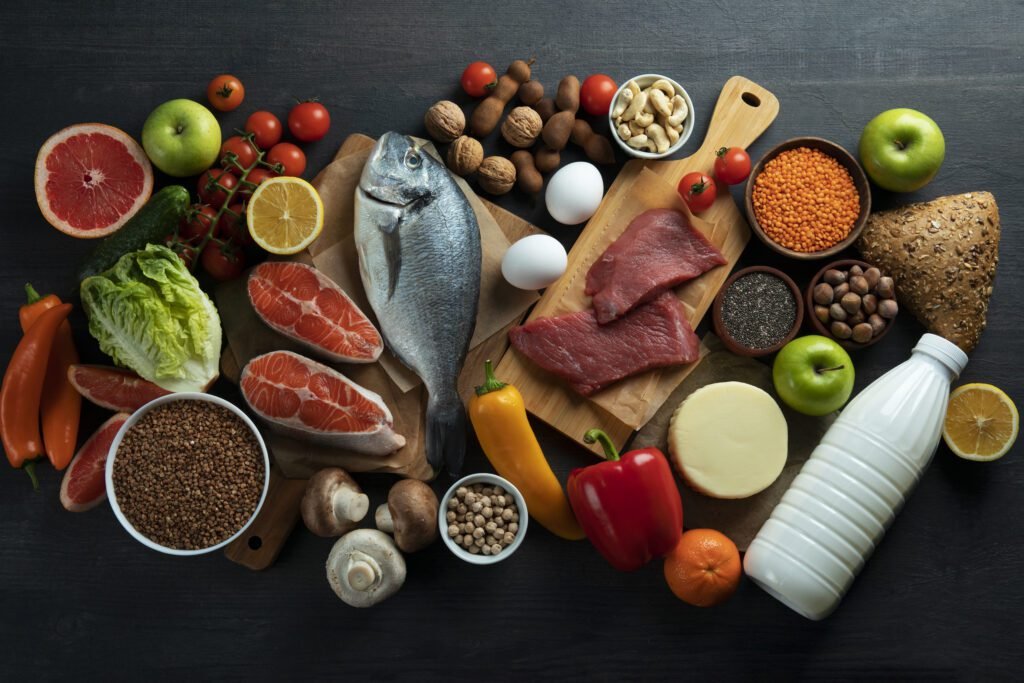
Proteins are an essential part of a healthy diet, responsible for building and repairing tissues, supporting the immune system, and maintaining overall bodily functions. These vital nutrients can come from a variety of sources, broadly categorized into plant-based and animal-based proteins. Both types offer unique benefits and can be part of a balanced diet. Let’s explore what they are, their key characteristics, and the foods that provide them.
Plant-based proteins come from plants and are naturally rich in other beneficial nutrients like fiber, vitamins, and antioxidants. While many plant proteins are considered “incomplete” because they lack one or more of the essential amino acids, a varied diet can ensure you receive all the necessary amino acids your body needs.
Animal-based proteins come from animals and are considered “complete proteins,” meaning they contain all nine essential amino acids required for human health. These proteins are highly bioavailable, which means the body can efficiently absorb and use them.
Whether derived from plants or animals, protein is essential for maintaining health and vitality. Plant-based proteins offer additional nutrients like fiber and antioxidants, while animal-based proteins provide complete amino acids and are highly bioavailable. For a balanced diet, incorporating a variety of both plant and animal-based proteins ensures your body gets all the nutrients it needs to thrive.

Our kitchen and food store are open 8:00 AM – 5:00 PM daily. Orders placed after 5:00 PM will be processed the next day.
Sign up to track orders, save favorites, schedule deliveries, and earn referral rewards.
Already have an account? Login
Password Hint: The password should be at least twelve characters long. To make it stronger, use upper and lower case letters, numbers, and symbols like ! ” ? $ % ^ & ).