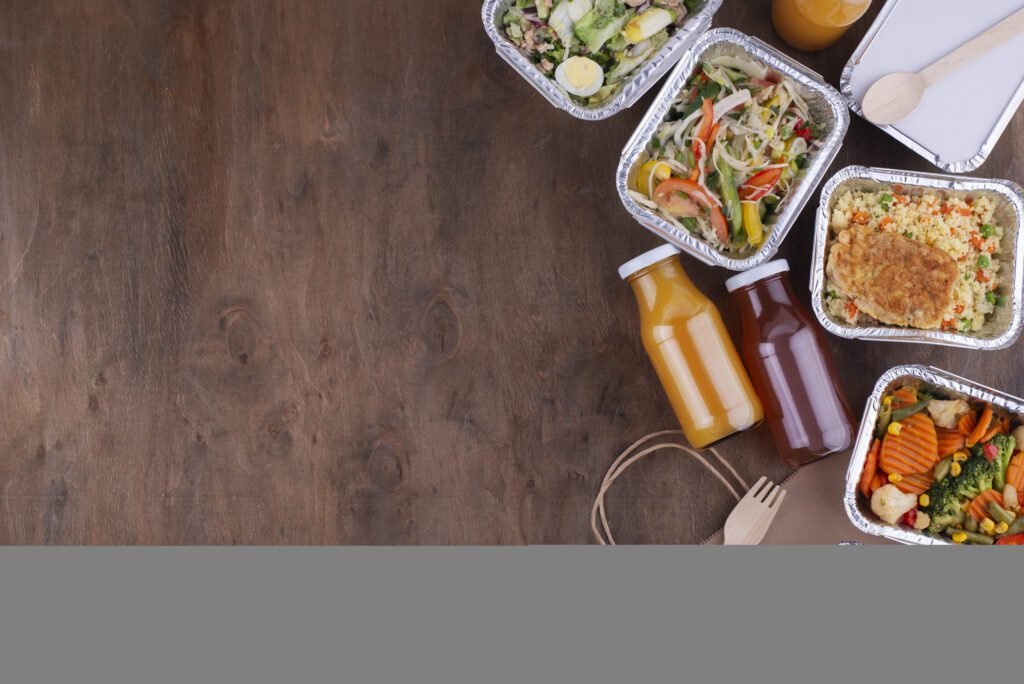
Finding time to cook during a hectic work week can feel impossible. Between meetings, commutes, and deadlines, food often becomes an afterthought and eating healthy gradually stops being a priority, you just want to eat at the end of the day. Meal prep solves this by allowing you to prepare food in advance so you always have something ready to eat. It saves time, reduces stress, and helps you stick to healthier eating habits.
Here’s how to make meal prep work for you.
Pick a Day to Cook
Choose a day when you have a few hours free, usually during the weekend. Use that time to prepare meals for the week ahead and handle the most time intensive parts of cooking. Focus on preparing stews, soups, and protein sources like chicken, fish, or beef in bulk. These are the components that usually take the longest to cook.
Once they are ready, portion them into containers. During the week, your meals become a matter of reheating and combining what is already available, instead of starting from scratch each time.
Buy Time Saving Local Staples
Some foods are too complicated or time consuming to be prepared at home from scratch. Foods like eko/agidi, fufu, and moi moi are often easier to buy in bulk from trusted vendors. These options are practical, widely available, and increase your meal variety. This way, you can pair reheated soup with fufu, or combine moi moi with eko for a stress free, balanced meal. This approach reduces workload without compromising meal quality.
Use the Right Storage Methods
Storage plays a key role in food safety and quality. Keep meals you plan to eat within a few days in the fridge, and store the rest in the freezer. Use airtight containers or sealed bags to reduce exposure to air and moisture. Label each container clearly so you can identify the contents at a glance. This saves time and prevents unnecessary opening of multiple containers.
Plan for Variety Without Extra Work
Variety does not require cooking completely different meals. Prepare a few components that can be combined in different ways. One stew can be eaten with rice, beans, or plantain across different days. Vegetable soups can also be paired with different sides throughout the week. Combined with your stored proteins and ready to eat staples, this allows you to rotate meals without increasing cooking time.
Conclusion
Meal prep is about being strategic with your time so eating well does not feel like a burden. A few hours on the weekend can set you up for a smoother, healthier week. With a simple system in place, eating balanced meals becomes easier to maintain, even on your busiest days.