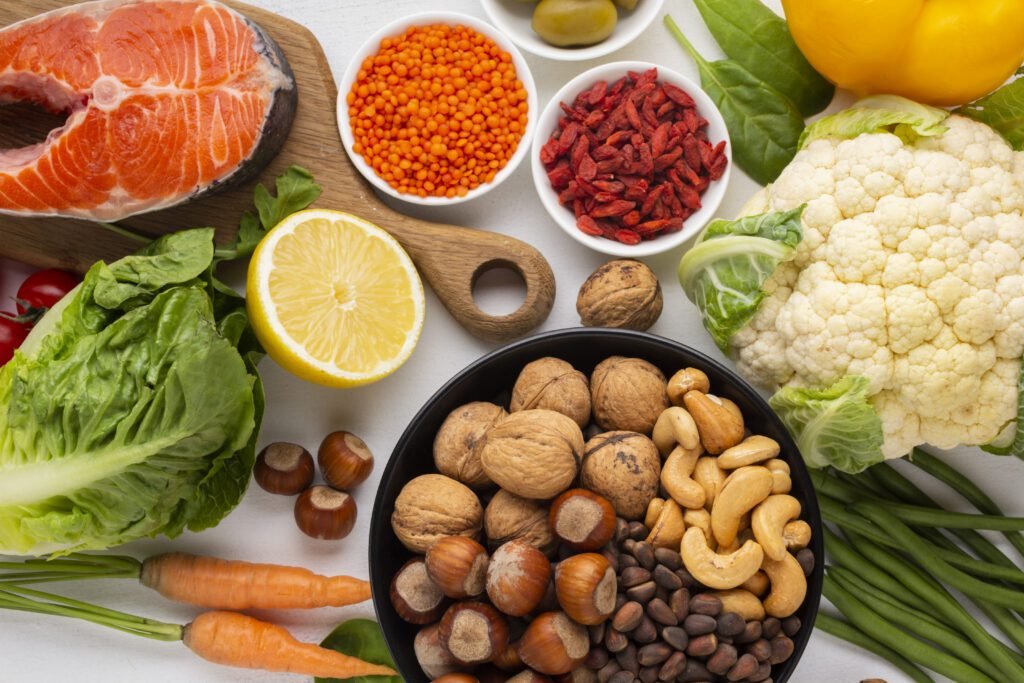
Anaemia occurs when the body doesn’t have enough healthy red blood cells to carry oxygen to tissues. Iron deficiency is the most common cause. Symptoms include fatigue, weakness, pale skin, dizziness, and shortness of breath. The good news is that eating iron-rich foods regularly can help prevent and manage anaemia.
There are several local foods naturally high in iron. Here are some worth including in your diet.
Liver
Beef, chicken, and goat liver are among the richest sources of heme iron, the type of iron the body absorbs most efficiently. A small serving of liver provides more than the daily recommended iron intake for most adults. It’s also rich in vitamin B12 and folate, which support red blood cell production. Liver can be grilled, fried, or added to stews.
Ugwu and Leafy Greens
Ugwu (fluted pumpkin leaves), spinach, and waterleaf contain non-heme iron, which is found in plant foods. While the body absorbs non-heme iron less efficiently than heme iron, eating these greens with vitamin C-rich foods like tomatoes or oranges improves absorption. Leafy greens are also high in folate, which works alongside iron to prevent anaemia.
Beans
Beans are a good plant-based source of iron. They’re affordable, versatile, and can be cooked in different ways: as porridge, paired with rice, or made into various other dishes. Cooking beans with peppers boosts iron absorption due to their vitamin C content.
Red Meat
Beef, goat meat, and lamb provide heme iron that the body absorbs easily. Red meat also contains zinc and vitamin B12, both essential for maintaining healthy blood cell production. Eating red meat a few times a week helps maintain iron levels, especially for people at higher risk of anaemia.
Dried Fish
Dried fish like stockfish and smoked fish contain iron along with protein and other essential nutrients. They’re used in soups and stews, making them an easy addition to meals. The iron content varies depending on the type of fish, but they contribute to overall intake when eaten regularly.
Fortified Foods
Some cereals, breads, and grains sold in supermarkets are fortified with iron. Check the nutrition label to confirm. Fortified foods can help increase iron intake, especially for children and people who don’t eat meat.
Enhancing Iron Absorption
Iron absorption improves significantly when iron-rich foods are eaten with vitamin C. Add tomatoes, peppers, oranges, or other citrus fruits to meals. Avoid drinking tea or coffee with iron-rich meals, as they contain compounds that reduce absorption.
When to Seek Medical Advice
If you experience persistent fatigue, dizziness, or other symptoms of anaemia, see a doctor. Iron deficiency can be diagnosed with a simple blood test, and treatment may include dietary changes or iron supplements.
Conclusion
Eating iron-rich foods consistently supports healthy red blood cell production and keeps your energy levels stable. Small changes in what you eat can make a real difference over time.