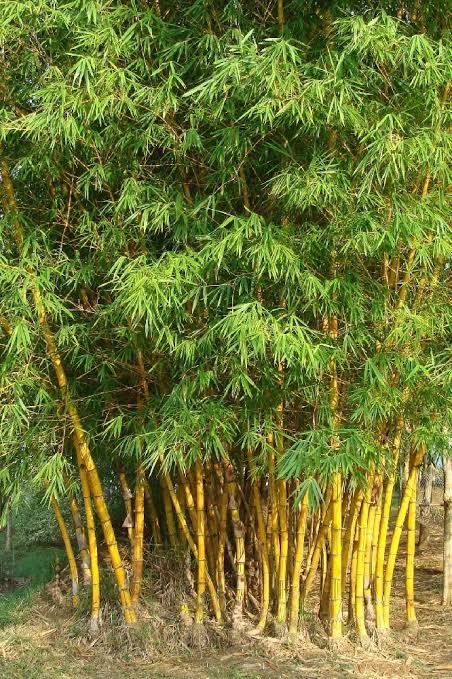
Nigeria’s climate is tough on farm infrastructure. Persistent heat, seasonal heavy rainfall, and prolonged humidity combine to weaken many commonly used materials. What holds up in other regions often breaks down faster here, resulting in ongoing repairs and higher costs. Bamboo, however, performs better in Nigeria’s climate than most conventional materials.
Heat Management
Temperatures average around 30°C and can climb above 40°C during peak periods, and metal structures become ovens. Concrete traps heat, making enclosed spaces uncomfortable for both animals and people. Bamboo works differently.
Its hollow structure allows air to flow through, creating natural ventilation that keeps structures cooler even during the hottest months. Unlike metal, which absorbs and radiates heat, or concrete, which traps it, bamboo stays relatively cool to the touch. This makes a real difference in livestock housing, where overheated animals become stressed, eat less, and are more susceptible to illness.
Rain and Moisture Resistance
Rainy season brings heavy downpours that can weaken poorly chosen materials. Untreated wood soaks, rots, and becomes a breeding ground for fungi. Metal rusts over time, especially in coastal or high-humidity areas. Bamboo, when properly treated and maintained, resists these issues remarkably well.
Bamboo’s natural water-resistant properties come from its silica content, which helps repel moisture. Proper treatment enhances this, allowing bamboo structures to withstand heavy rain without deteriorating quickly.
Humidity and Ventilation
Humidity is constant in many parts of Nigeria, especially in the South. It accelerates the decay of wood, promotes rust in metal, and creates uncomfortable conditions inside enclosed spaces. Bamboo’s breathability helps prevent the stagnant, damp conditions that humidity creates. This is crucial for livestock housing, where poor ventilation can lead to respiratory issues and disease.
Wind and Storm Resistance
Bamboo is flexible, and that flexibility is an advantage during storms. While rigid materials can crack or break under strong winds, bamboo flexes and absorbs the force. This doesn’t mean bamboo is indestructible, but it holds up well during occasional windstorms.
Pest and Sun Resistance
Termites are a major problem for farm infrastructure in Nigeria. They destroy untreated wood quickly, leading to costly replacements. Bamboo is naturally more resistant to termites than most types of wood, and proper treatment strengthens this resistance further.
Nigeria’s sun is also intense, and prolonged UV exposure weakens many materials. Bamboo weathers naturally under sun exposure. While it may grey slightly, properly treated bamboo doesn’t crack or become structurally unsound.
What This Means for Farmers
For farmers in Nigeria, choosing the right building material isn’t just about upfront cost. It’s about durability, maintenance, and whether the structure can handle the climate year after year.
Bamboo fits that requirement. It’s not perfect, but it performs better than most alternatives at a fraction of the cost. When properly treated and maintained, bamboo structures can last for years, withstanding heat, rain, humidity, storms, and pests that would destroy cheaper alternatives.
In a country where the climate pushes infrastructure to its limits, bamboo is a material that works with the environment, not against it.