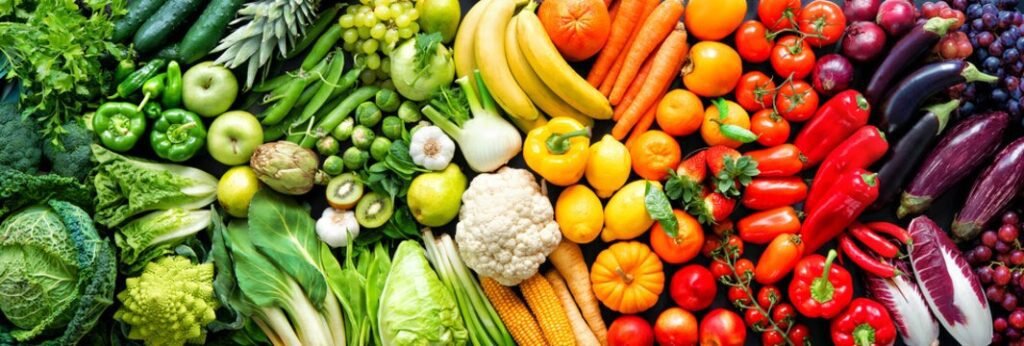
Buying fresh produce is one thing. Keeping it fresh after you get home is another. Too many vegetables wilt in the fridge, fruits spoil on the counter, and tubers sprout before you get around to cooking them. The way you store fresh food makes all the difference between ingredients that last and money wasted on produce you never used.
Here’s how to store common fresh produce properly so it stays fresh, nutritious, and ready when you need it.
Leafy Vegetables
Vegetables like spinach, ugu, and lettuce lose freshness quickly if stored wrong. Wash them only when you’re ready to use them. If they’re already wet, pat them dry with a clean cloth. Wrap them loosely in a dry cloth or paper towel and store them in the fridge. For longer storage, place the wrapped vegetables in a perforated plastic bag or container with airflow. They’ll stay fresh for several days.
Fruits
Most fruits ripen at room temperature. Bananas, mangoes, and avocados should stay on the counter away from direct sunlight until ripe, then move to the fridge if you need to slow down further ripening. Don’t store fruits and vegetables together in the fridge. Many fruits release ethylene gas, which speeds up ripening and spoilage in nearby vegetables.
Tomatoes and Peppers
Tomatoes should stay on your kitchen counter or in a cool, shaded spot like a veranda until they’re fully ripe. Refrigerating them too early kills their flavour and makes the texture mealy. Once ripe, you can move them to the fridge to slow down spoilage, but use them within a few days for the best taste.
Peppers, on the other hand, do well in the fridge. Store them in the crisper drawer in a slightly open plastic bag. They’ll stay firm and fresh for up to two weeks.
Yams and Potatoes
Yams and potatoes are best stored in a cool, dry, well-ventilated place. Don’t refrigerate them unless they’re peeled and cut. Keep them in a basket or crate where air can circulate. Avoid plastic bags, as trapped moisture encourages mould. Properly stored, yams and potatoes can last for weeks.
Keep potatoes away from onions, as onions release gases that make potatoes sprout faster.
Fresh Fish and Meat
Fresh fish and meat spoil quickly, so proper storage is crucial. If you’re not cooking them the same day, freezing is your best option to preserve freshness.
For fish, rinse it under cold water, pat it dry, then wrap it tightly in cling film or place it in an airtight container before freezing. This prevents freezer burn and keeps the fish fresh for up to three months.
For meat, portion it into meal-sized amounts before freezing so you only thaw what you need. Wrap each portion tightly to prevent air exposure. Properly stored frozen meat stays good for several months.
The Bottom Line
Storing fresh produce properly isn’t complicated, but it requires attention. Knowing what needs cold storage, what needs air circulation, and what should stay dry can save you money and ensure your meals taste as good as they should.