A hen does not need a rooster to lay eggs
Hens will lay eggs naturally once they reach maturity. A rooster is only needed if the eggs are meant to hatch into chicks. Most eggs sold for consumption were never fertilized.
Cows have best friends
They form close bonds with preferred companions and show measurable signs of stress when separated, like elevated heart rates and agitation. Keeping bonded pairs together supports better welfare and calmer, healthier herds.
Chickens can recognize over 100 faces
Chickens can recognize up to 100 members of their own flock by sight, and can also identify and remember individual human faces. Your farm birds actually know you, and may remember how you’ve treated them.
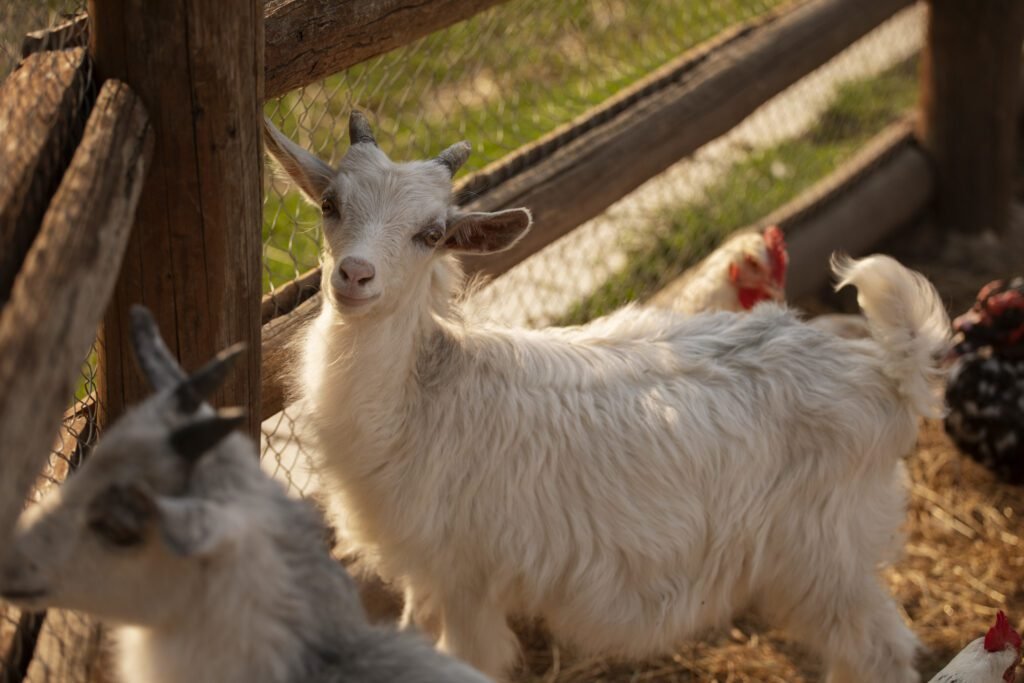
Goats have accents
They adjust their bleats based on their social group. Yes, goats literally pick up the “local dialect.”
A hen can lay over 250 eggs in one year
With proper nutrition and care, one bird can consistently supply protein for an entire household.
Livestock manure can generate electricity
Through biogas systems, animal waste is collected and broken down to release methane gas, which can then be used as fuel for cooking and lighting. For small farms, this can significantly reduce energy costs and dependence on outside fuel sources.
One dairy cow can drink up to 190 liters of water daily
A dairy cow can drink between 100 and 190 liters per day, depending on her size, milk output, and temperature. Restricting water access, even briefly, can quickly reduce milk yield.
Sheep can remember faces for years
Sheep can memorize up to 50 individual faces and recall them for over two years. They can even recognize familiar human faces long after seeing them, a level of social memory that rivals many other mammals.
Poultry farming is one of the fastest growing agricultural sectors
Because of short production cycles and high demand, it dominates the protein market in many regions. Chickens reach market weight in as little as six weeks, making poultry one of the most efficient and scalable sources of animal protein available to farmers today.
Livestock farming supports millions of rural families
It plays a major role in income generation and food security across developing economies. For many households, a few animals represent both a daily food source and a financial safety net, one that can be sold in times of need, used to pay for school fees, or passed down as inherited wealth.
Conclusion
Livestock farming is more than raising animals. It brings together science, animal behavior, sustainability, and the livelihoods of millions. So next time you see eggs, milk, or meat on your table, remember there’s far more going on behind the scenes than meets the eye.