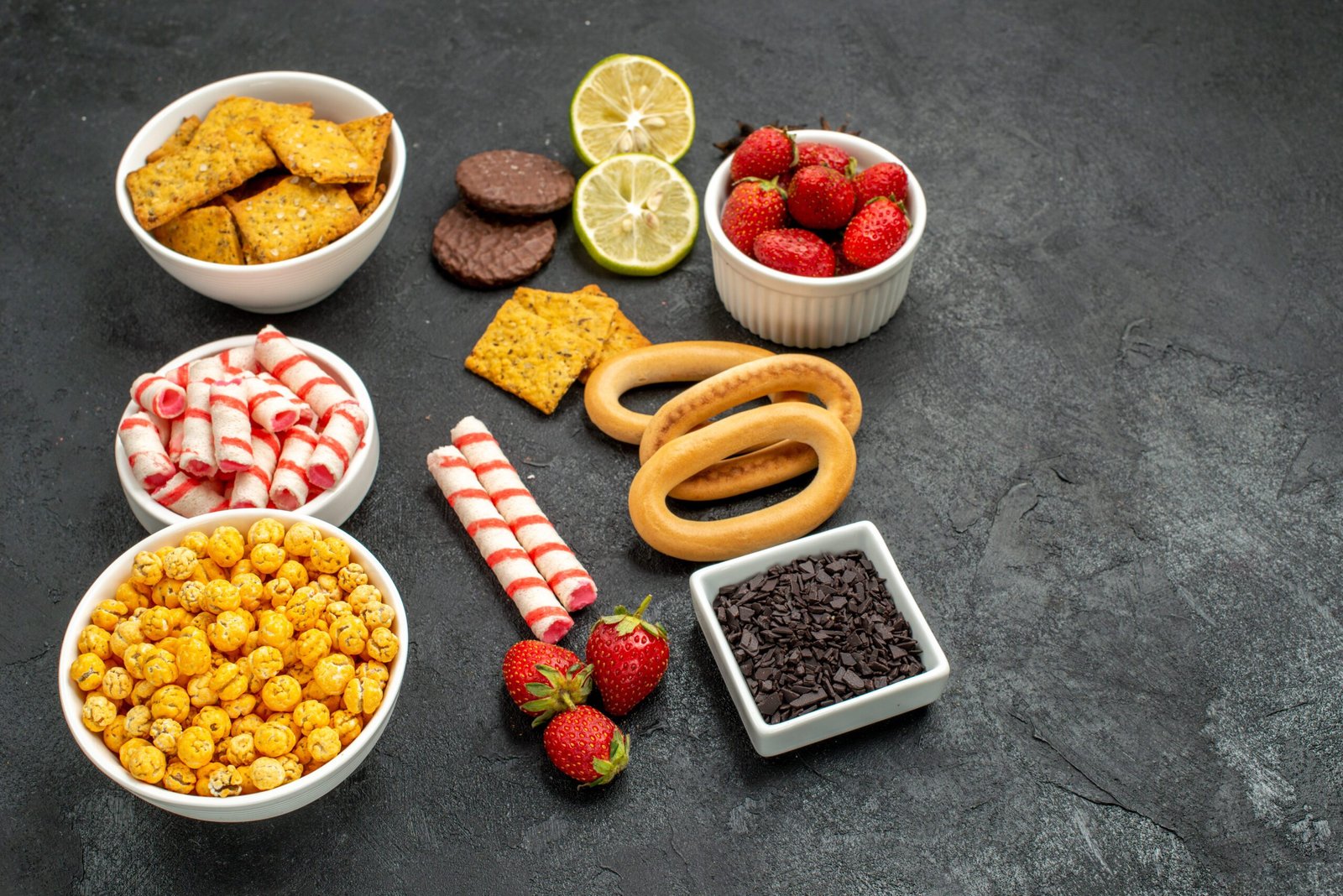
Supermarket shelves in Nigeria are filled with colourful packages that promise convenience, flavour, and long shelf life. These products are designed to be affordable, easy to prepare, and appealing to the taste buds. But beneath the bright packaging and bold claims, many of these items belong to a food category that deserves closer attention: ultra-processed foods. Instant noodles, soft drinks, packaged snacks, breakfast cereals, and mass-produced bread all fall into this group.
These aren’t just “processed” foods. They’re a different category entirely, and understanding the difference matters.
What Makes Food Ultra-Processed?
Ultra-processed foods are industrial formulations made mostly from substances extracted from foods or synthesised in laboratories. They typically contain five or more ingredients, many of which wouldn’t be used in a home kitchen.
The ingredient list on a packet of instant noodles or a bottle of soft drink includes things like high-fructose corn syrup, hydrogenated oils, monosodium glutamate, artificial flavours, preservatives, emulsifiers, and stabilisers. These are industrial additives designed to make food last longer, taste more appealing, and cost less to produce.
The goal isn’t nutrition. It’s convenience, shelf stability, and profit.
The Health Impact
Ultra-processed foods are designed to be hyper-palatable. They hit the right combination of salt, sugar, fat, and texture to encourage repeat consumption. These foods are nutrient-poor and calorie-dense. They fill the stomach without nourishing the body, and their engineered appeal makes them difficult to eat in moderation. The more they’re consumed, the harder it becomes to stop.
Research consistently links high consumption of ultra-processed foods to obesity, type 2 diabetes, heart disease, certain cancers, and mental health issues. The more ultra-processed food in a diet, the higher the risk.
Traditional Nigerian diets were built around fresh foods: yam, rice, swallows, beans, vegetables, fish, and meat. These are whole foods that provide real nutrition. As ultra-processed foods become more common, diets shift away from these basics. Convenience replaces quality, and long-term health suffers.
What This Means
Being aware of what’s ultra-processed doesn’t mean eliminating every packaged food. It means understanding the difference and making informed choices. Fresh food should be the foundation. Ultra-processed food should be the exception.
At FudFarmer, sourcing fresh, whole ingredients is central to what we do. Whole foods offer the nutrition and flavour that highly processed alternatives can’t match. Quality starts with what goes into the food, not what’s engineered in a factory.