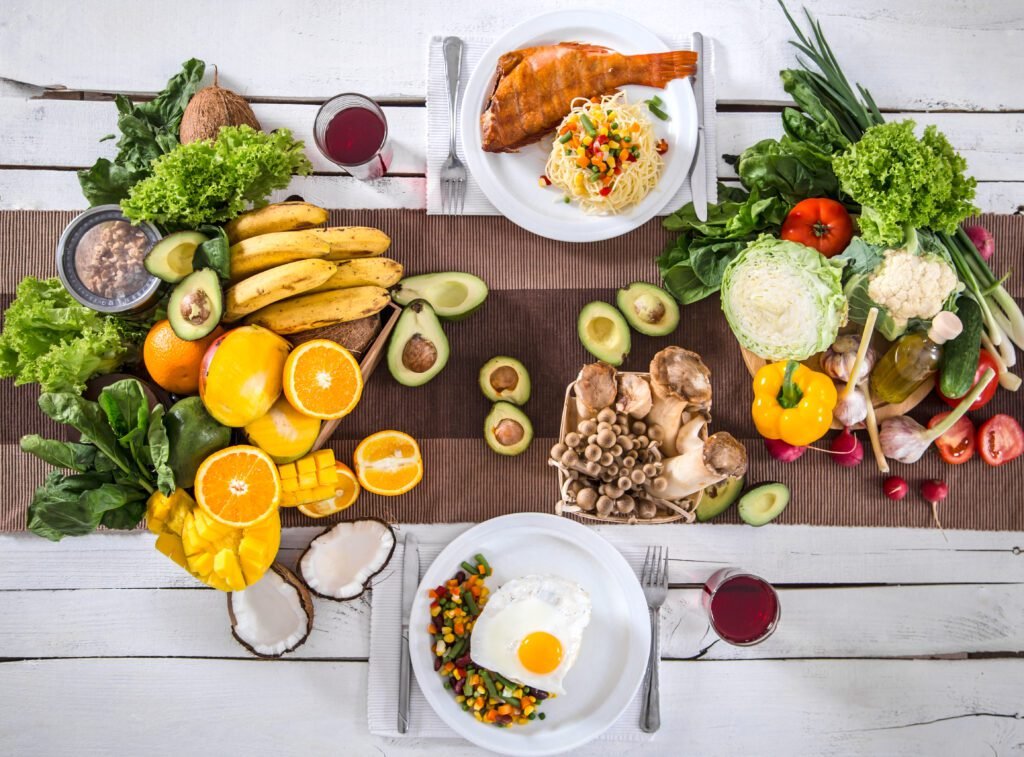
What you eat has a direct impact on your blood sugar levels. Certain foods slow how quickly food is broken down, support insulin function, and help keep blood sugar steady throughout the day. Here are some of the best options, many of which are already common in our kitchens.
Legumes and High-Fibre Staples
Beans, oats, unripe plantain, and okra are all high in fibre and resistant starch, both of which slow glucose absorption and prevent sudden spikes after meals. They are also filling, which makes it easier to eat appropriate portions without feeling deprived.
Leafy Vegetables
Ugu, spinach, bitter leaf, ewedu, and other green leafy vegetables are low in carbohydrates and high in fibre and antioxidants. They support insulin sensitivity and general metabolic health, and because they digest slowly, they do not cause rapid rises in blood sugar. They can be eaten generously as part of most meals.
Healthy Fats
Groundnuts, avocados, soya oil, and palm oil in moderate amounts all help slow how quickly glucose from a meal enters the bloodstream. Cooking oil is already a daily staple in most homes; choosing better sources like palm oil or soya oil in moderate amounts is more beneficial than reaching for heavily processed alternatives.
Whole Grains
Choosing whole grains over refined carbohydrates makes a real difference. Ofada rice, brown rice, millet, whole wheat and maize retain more fibre and nutrients than polished white rice or ultra-processed flour products, so blood glucose rises more slowly after a meal.
Low-Glycaemic Fruits
Not all fruits raise blood sugar at the same rate. Apples, pears, cucumbers, and garden eggs raise it more slowly than very sweet fruits like ripe bananas and pineapple, and they also provide vitamins and fibre, making them a better option for everyday consumption.
Fermented Foods
Pap, yoghurt, and locust beans (iru) support better glucose metabolism by improving gut health. Research shows a healthy gut microbiome contributes to better insulin response and more stable blood sugar levels overall.
The Bigger Picture
No single food controls blood sugar on its own. What makes the difference is the overall approach. Meals built around fibre-rich ingredients, whole foods, and the right portions create the conditions for steadier glucose levels day to day. Physical activity works alongside this by improving how the body uses insulin, so the two reinforce each other. Blood sugar management is not about perfection or cutting out entire food groups. It is about making consistent choices that your body can work with over time.