The term “superfood” refers to foods that are exceptionally rich in nutrients and offer significant health benefits. But did you know that Nigeria is home to several of these nutrient dense foods? Despite being widely available in local markets and more affordable than imported foods, they are often overlooked.
These foods are packed with vitamins, minerals, and protective compounds that support long term health, making them a healthy addition to everyday meals.
Here are some Nigerian superfoods that deserve a regular place on your plate.
Moringa
Moringa leaves contain seven times more Vitamin C than oranges, four times more calcium than milk, four times more Vitamin A than carrots, and three times more potassium than bananas. Moringa is also rich in antioxidants, which protect cells from damage and reduce inflammation in the body.
Research shows that moringa helps lower blood sugar levels, making it beneficial for people with diabetes. It also supports heart health by reducing cholesterol and has antibacterial and antifungal properties that help fight infections. Moringa can be eaten fresh, dried and ground into powder, or added to soups and teas.
Ugwu (Fluted Pumpkin Leaves)
Ugwu is a staple in Nigerian soups and is packed with vitamins A, C, and K, as well as iron, calcium, and potassium. Vitamin A supports vision and immune function, whilst Vitamin K is essential for blood clotting and bone health. The iron content in ugwu makes it particularly valuable for preventing anaemia, especially in women and children.
The fibre content in ugwu also aids digestion and helps regulate blood sugar levels. Its antioxidant properties protect against oxidative stress, reducing the risk of chronic diseases like heart disease and cancer.
Unripe Plantain
Unripe plantain is a low-glycemic food, meaning it releases sugar into the bloodstream slowly. It is rich in resistant starch, a type of fibre that supports digestive health by feeding beneficial gut bacteria.
Unripe plantain is also high in potassium, which helps regulate blood pressure and supports heart health. It contains vitamins A, C, and B6, which boost immunity, improve skin health, and support brain function. It can also aid weight management by promoting satiety.
African Walnuts (Asala/Ukpa)
African walnuts are nutrient-dense nuts rich in healthy fats, protein, fibre, and essential minerals like magnesium, phosphorus, and zinc. They’re an excellent source of omega-3 fatty acids, which support brain health, reduce inflammation, and protect against heart disease. African walnuts can be eaten raw, roasted, or used in traditional dishes.
Tiger Nuts
Tiger nuts are small tubers packed with fibre, healthy fats, and essential minerals like magnesium, potassium, and iron. They’re rich in resistant starch that supports gut health by feeding beneficial bacteria.
Tiger nuts help regulate blood sugar, improve digestion, and promote heart health by lowering cholesterol. They can be eaten raw, roasted, or blended into tiger nut milk (kunnu aya).
Okra
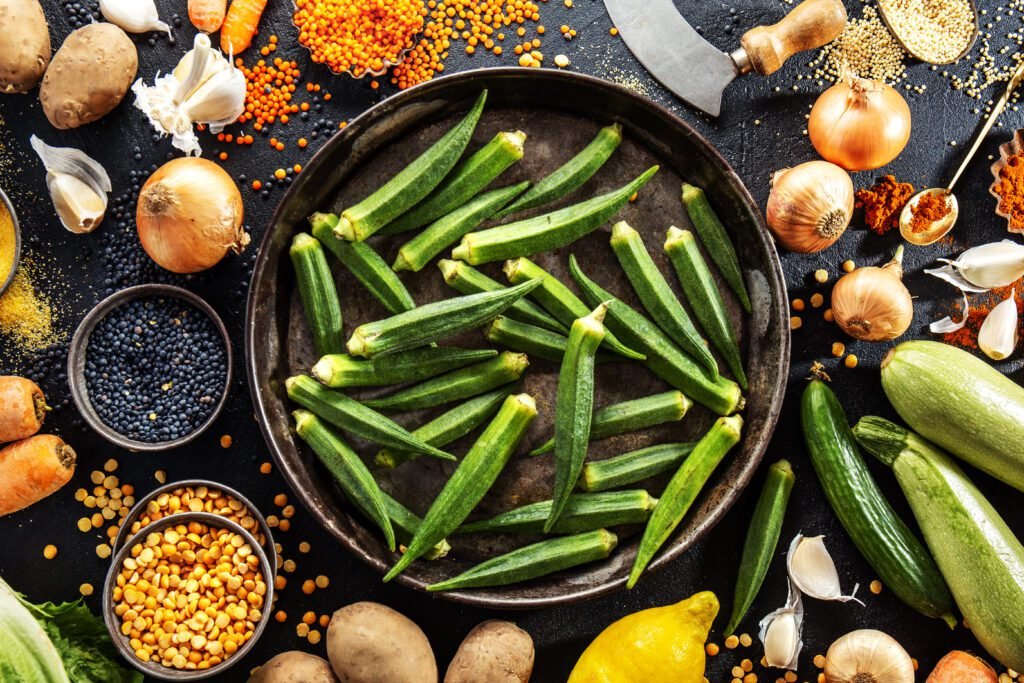
Okra is rich in Vitamin C, Vitamin K, folate, and fibre. The soluble fibre in okra, called mucilage, helps regulate blood sugar levels and supports digestive health by promoting regular bowel movements.
Okra contains antioxidants that reduce inflammation and protect against chronic diseases. Studies suggest that okra may improve heart health by lowering cholesterol and help regulate blood sugar levels in people with diabetes.
The Takeaway
Superfoods do not have to come from overseas or carry fancy labels. Many of the most powerful foods for supporting immunity, heart health, digestion, and overall wellbeing are already part of Nigeria’s food culture.
Adding more of these foods to everyday meals is a simple way to improve nutrition without increasing food costs. Sometimes the healthiest choices are the ones that have been growing around us all along.